
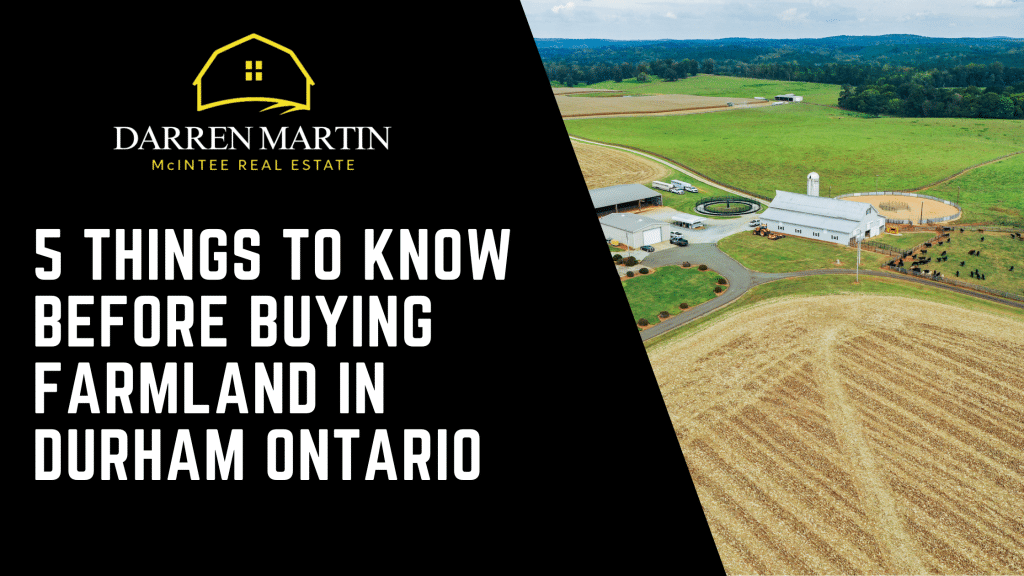
When considering farmland in Durham, Ontario, a few important factors come into play. First, it’s crucial to understand zoning and land use regulations since properties in Prime Agricultural Areas often have restrictions on non-agricultural activities.
Next, assessing soil quality is vital; loamy soils are best for crops, while sandy soils might not work well at all. Access to essential utilities like water and electricity can also influence your farming success.
Reliable water sources for irrigation must be identified and evaluated. Lastly, do consider the financial implications involved with purchasing farmland, including taxes and maintenance costs.
1. Understand Zoning and Land Use Regulations
Before purchasing farmland in Durham, it’s crucial to grasp the zoning laws that govern the land. Each parcel has specific zoning designations that dictate what activities can take place. For example, properties in Prime Agricultural Areas are often restricted to agricultural uses and may require special approval for any non-farming developments.
To stay informed, consult local planning departments for updates on zoning changes that could impact your plans. Additionally, be aware of any environmental regulations that may restrict agricultural practices, especially near lakes or protected areas.
It’s also wise to consider the potential for future zoning changes, which could affect property value or usability. Investigate overlays or special designations, such as conservation areas or heritage sites, that might impose additional restrictions.
Furthermore, review any limitations on building structures or installing facilities essential for your farming operations. Understanding the permit process for any intended developments is equally important, as failing to comply can lead to costly delays.
Look into whether the property is part of a land trust or has conservation easements that might limit agricultural activities. Compatibility with neighboring land uses is another consideration; conflicts with adjacent properties can lead to disputes.
Lastly, keep an eye on public meetings or community consultations that might address land use regulations, as these discussions can provide valuable insights into your investment.
- Research the specific zoning designation for the land, which can determine what types of farming or development are allowed.
- Consult with local planning departments to get the latest updates on zoning changes that could affect your land use.
- Look into any environmental regulations that may limit agricultural practices, especially near water bodies or protected areas.
- Consider the potential for future zoning changes that could impact property value or usability.
- Investigate any overlays or special designations that may apply, such as conservation areas or heritage sites.
- Review any restrictions on building structures or installing facilities related to your farming operations.
- Understand the process for obtaining permits for any planned developments or changes to land use.
- Check if the property is part of a land trust or has conservation easements that might limit agricultural activities.
- Analyze the compatibility of your farming plans with neighboring land uses to avoid conflicts.
- Keep track of public meetings or community consultations regarding land use regulations that could affect your investment.
2. Assess Soil Quality and Topography
When buying farmland, understanding soil quality is vital for successful farming. Begin by conducting a thorough soil test to measure pH levels, nutrient content, and organic matter.
This will give you insight into the fertility of the land. You should also analyze topographical maps to get a sense of the land’s layout, which affects drainage and erosion. For instance, if there are slopes, you may need special management techniques for crops or livestock to prevent issues like soil erosion.
It’s wise to consult with agronomists or soil specialists. They can help you assess any soil amendments needed to boost productivity. Additionally, looking into the historical yield of crops on the land can provide clues about its agricultural potential.
You should also investigate if there are any signs of soil contamination from past industrial uses, as this could impact your farming plans.
Different soil types, such as clay, loam, and sandy soil, will influence what crops you can grow and how you manage your farming practices. For example, loam is typically ideal for crops, while sandy soil can pose drainage challenges. Consider local conservation practices to maintain long-term soil health and productivity.
Resources such as local agricultural extension services can offer invaluable advice on best practices for soil management. Finally, utilizing satellite imagery can help you assess land use patterns and reveal any areas of concern, such as erosion or inadequate drainage.
| Soil Type | Characteristics | Suitability for Agriculture |
|---|---|---|
| Clay | Holds water but has drainage issues | Can be challenging for certain crops |
| Loam | Balanced drainage and moisture retention | Ideal for diverse crops |
| Sandy Soil | Poor moisture retention and drainage issues | Generally not suitable for most agricultural uses |
3. Check Access to Utilities
When buying farmland in Durham, Ontario, checking access to utilities is essential. Reliable electricity sources are crucial for running equipment and facilities, so verify that the property has access to them.
High-speed internet is becoming increasingly important for modern farming operations, allowing for better management and communication. It’s also wise to confirm the availability of natural gas lines or propane services, as these are often needed for heating and other operational requirements.
Examine the quality of existing roads and transportation access, which will affect how easily you can move goods to market. Investigating waste disposal services is also necessary, as these can significantly impact operational costs.
Be sure to check for any restrictions or costs associated with connecting to local utility services, as these can add unexpected expenses to your budget.
Depending on the property’s location, you might want to assess the potential need for alternative energy sources, such as solar or wind, which could provide cost-effective solutions and sustainability benefits.
Reviewing local initiatives or programs that offer financial assistance for utility upgrades can be advantageous as well. Finally, consider how utility access might influence the property’s overall value and its desirability for future resale. Researching the history and reliability of utility services in the area can help you anticipate any potential issues.
4. Evaluate Water Sources
When buying farmland in Durham, Ontario, understanding water sources is essential. Start by identifying the types of water available, such as wells, ponds, or nearby rivers, and evaluate their reliability throughout the year. It’s crucial to assess the water quality by testing for contaminants and salinity levels to ensure it’s suitable for irrigation.
Look into local water rights and regulations, as they can significantly impact your ability to utilize these sources. Seasonal water availability is another key factor; dry periods can affect crop production, so consider exploring options like rainwater harvesting or creating reservoirs to supplement irrigation needs. Reviewing historical rainfall data can help you understand the risks of drought in the area.
Depending on the landscape and water availability, you may need to invest in irrigation systems. Consulting with water resource specialists can aid in developing a sustainable water management plan.
Finally, be aware of the costs associated with securing additional water sources if the existing ones fall short, and consider potential partnerships with local agricultural organizations that focus on water conservation practices.
5. Consider Financial Implications
When buying farmland in Durham, understanding the financial implications is crucial. Start by calculating the total cost of purchasing the land, which includes not just the price but also taxes, legal fees, and closing costs.
It’s wise to explore financing options tailored for agricultural purchases, such as loans specifically designed for farmers, which can help you manage your budget effectively.
Consider the potential income from your farming activities and how it aligns with your long-term financial goals. Research local grants or subsidies available for new farmers, as these can significantly reduce your initial investment costs.
Additionally, keep in mind the impact of fluctuating crop prices and market demand, which can affect your income and overall financial stability.
Don’t overlook the importance of insurance options to protect your investment against risks like natural disasters or crop failures. Evaluating the long-term sustainability of your farming practices will also help you make informed decisions.
Lastly, be prepared for ongoing expenses such as maintenance, equipment, and property taxes. Creating a realistic budget can help you avoid surprises down the road. Consulting with a financial advisor who specializes in agricultural investments can further strengthen your financial plan.
Frequently Asked Questions
What should I check about the land’s soil quality before buying?
It’s important to know if the soil is healthy and suitable for farming. You might want to test it for nutrients and pH levels to make sure it’s good for growing crops.
How can I find out about water availability for farming in Durham?
You should look into whether there is a reliable water source nearby. Check if there are wells, rivers, or lakes that you can use for irrigation, especially during dry seasons.
What types of crops are best suited for Durham’s climate?
Different crops thrive in different climates, so it’s helpful to research local farming. Learn what other farmers grow well in Durham, as they will have valuable insights.
Are there any zoning laws I need to follow when buying farmland?
Yes, it’s essential to understand local zoning laws which dictate how land can be used. You might need to check with local authorities to ensure your plans for the land are permitted.
What do I need to know about local pests and diseases that affect crops?
Farming in Durham means you should be aware of common pests and diseases that can harm your crops. Research local resources or consult experts to learn about prevention and treatment options.
Before buying farmland in Durham, Ontario, consider these key factors:
1. Review zoning laws and land use regulations to ensure compatibility with your farming plans.
2. Assess soil quality and topography, as different soil types can impact agricultural success.
3. Verify access to utilities like water and electricity, which are essential for operations.
4. Evaluate water sources for irrigation, including quality and reliability.
5. Understand financial aspects, including potential taxes and costs associated with ownership.
Research the land’s historical use, familiarize yourself with legal obligations, and factor in the location’s proximity to markets and suppliers.